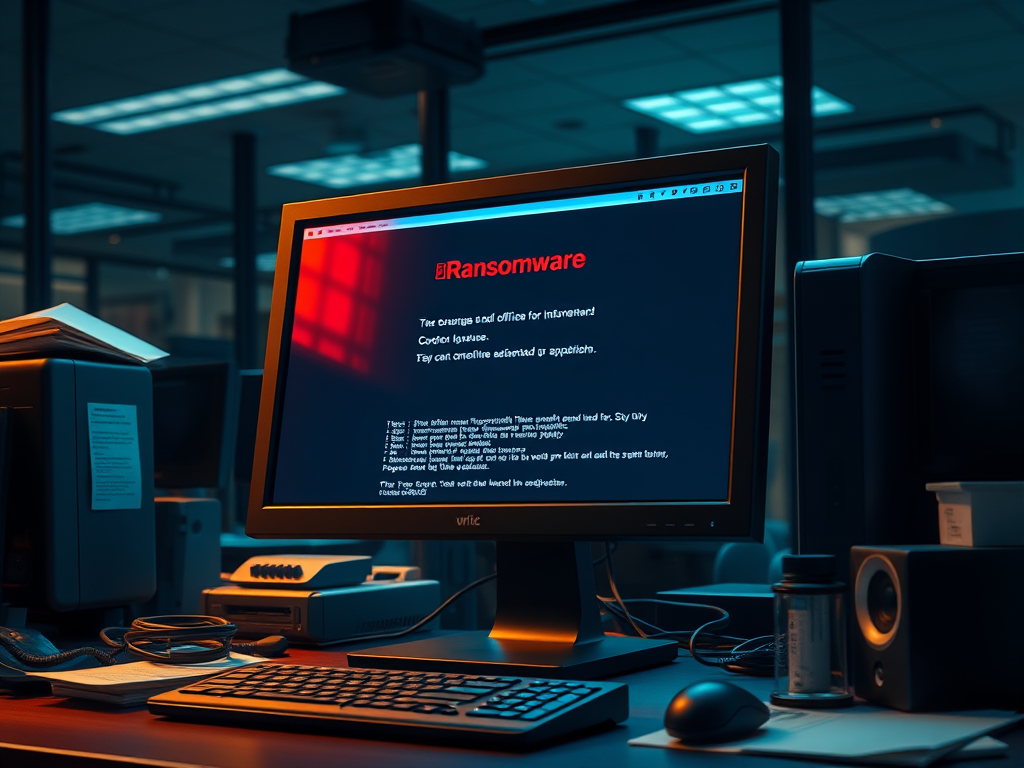
Small businesses have long been a favorite target for cybercriminals, making them more vulnerable to ransomware attacks compared to larger companies.
Do you think your small business won’t be targeted for online extortion? Think again. If you own a small to medium-sized business, you should assume that you could be a target. Data from Verizon shows that ransomware is involved in 39% of data breaches at big companies, but this number jumps to 88% for small businesses. While larger companies may be more willing to pay huge ransoms, they usually have better tools and policies to stop, spot, and manage the risks associated with breaches.
Like big corporations, small and medium-sized businesses rely heavily on their data and IT systems to function. The fear of losing important data forever and having their business shut down completely often makes them feel the need to pay the ransom, even though there’s no guarantee they will get their data back.
To make the situation worse, attackers often use various methods to pressure victims into paying. One way they do this is through double-extortion attacks, where they steal sensitive information, encrypt it, and threaten to release it. Besides stealing and threatening to leak or erase private data, they might also threaten DDoS attacks, complaints to authorities, or, in some cases, even physical harm. Attackers are willing to change their ransom demands to make it more likely that a victim will pay, according to findings from Verizon.
How ransomware groups are evolving
To deal with the threat, it’s important to know who is behind it and how it’s changing. For example, the rise of ransomware-as-a-service (RaaS) has made it easier for cybercriminals to launch their attacks. The number of ransomware groups is also changing quickly, partly because of increased efforts by law enforcement. When one group gets shut down, another often pops up with similar or different strategies and tools to avoid being caught. Moreover, the rapid changes in tactics and techniques make it more difficult to manage risks.
In simple terms, small businesses that lack strong defenses are really attractive targets for hackers. These businesses have more digital assets and cash than regular consumers, yet have fewer cybersecurity protections than large companies, putting them in a “cybercrime sweet spot” for a long time.The good news is that you can protect your company’s data and keep your systems safe without spending a fortune.
On the flip side, the way ransomware is being renamed might show that many groups are struggling to make money.A study of payments made in cryptocurrency for ransoms shows that there is a 35% drop from 2023 to 2024. However, since there might be fewer people willing to pay, ransomware groups seem to be focusing more on the ones who do pay.A report suggests that 55% of companies that paid a ransom last year ended up paying multiple times, with 29% paying three or more times.
How AI is changing ransomware
As technology gets better, ransomware groups are also adjusting their strategies to improve their chances of succeeding.The common ways to break into a victim’s network still include taking advantage of weaknesses, phishing, and getting remote access through stolen login details, often obtained by infostealer malware. But AI tools could greatly enhance all of these methods.
The UK’s National Cyber Security Centre (NCSC) recently warned that in the next two years, the use of AI will cause an “increase in frequency and intensity of cyber threats.” Activities like looking for easy targets, exploiting weaknesses, and manipulating people into giving up information will become more common in the world of cybercrime.